Whats the Difference Between a Fetish and a Kink? (Secrets)
You’re here because the words blur when you’re turned on and suddenly everything sounds the same. You like a thing, you crave a thing, you maybe even need a thing. Is it kink? Is it fetish? You want clarity that doesn’t kink-shame or sound like a textbook. Good. You deserve language that respects what your body already knows.
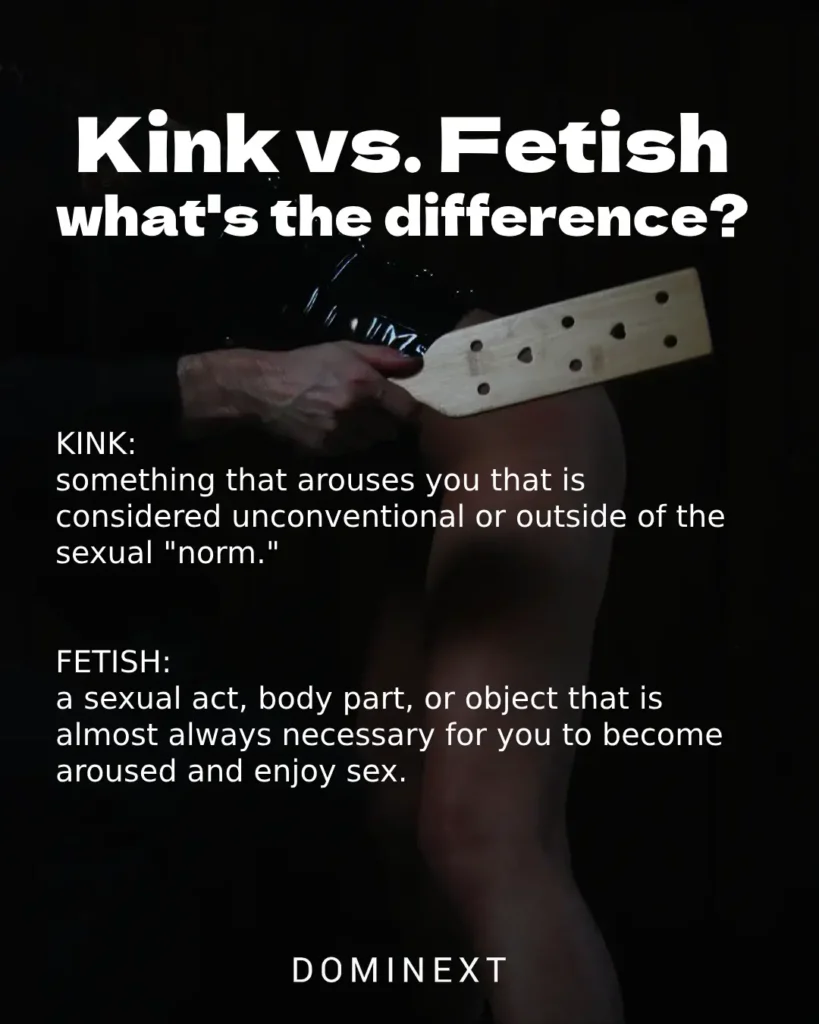
Whats the difference between a fetish and a kink? A kink is a consensual preference that spices things up; a fetish is a specific thing or state you often need for arousal or release. Think like vs need, with consent and negotiation at the center.
The quick map: kink and fetish, no judgment
Kink is any consensual sexual interest, activity, or dynamic outside what’s typically called vanilla. That can be role play, power exchange, impact play, bondage, or simply amplifying sensation in creative ways. The keys are consent, negotiation, and a safety plan. When I coach beginners, I tell them kink is the spice rack. You can season lightly or go full feast, but you still read the recipe and talk to your dinner guest first.
A fetish is more specific. It can be an object, a body part, a material, a context, or a psychological state that plays a central role in arousal or satisfaction. Feet, latex, leather, stockings, balloons, public risk contexts, humiliation as a mental state. If the thing needs to be in the room for you to reliably get off, we’re in fetish terrain. As stated by Oaks Counseling Associates, “In shorthand, a kink is something sexual that someone LIKES to do with themselves or consensually with partners. Something is considered a fetish when it MUST be present in order for the person to achieve sexual arousal or enjoyment” according to Difference Between Kink and Fetish: Exploring Therapy Options.
A quick rule of thumb that’s served me well: if it enhances arousal but is not required, it’s likely a kink. If its presence feels necessary for arousal or orgasm, it’s more likely a fetish. And it is normal for those lines to blur across years and partners. I’ve watched my own “nice-to-have” toys become central with certain partners because the emotional chemistry made that scene sing. Revisit your self-definitions every 6 to 12 months. Bodies and hearts evolve.
How to tell them apart when it’s your body on the line
In practice, the distinction shows up in how flexible your desire feels. A kink tends to be a preference. You enjoy it, it heightens things, but if it’s not on the menu tonight, you still have a full dinner. A fetish often feels necessary, or at least central, to gratification. As explained by Grindr’s guide, “Think of a kink as a dessert and a fetish as a full meal.”
Flexibility is another clue. Kinks usually travel well across partners and contexts. You can adapt the intensity, swap roles, or change the toy. Fetishes often have a narrower focus. They can be beautifully specific. That precision can feel identity-defining for some people, like wearing a talisman you don’t take off. In my own scenes, I’ve seen partners light up not just because of the act, but because a particular material or word anchored them. It wasn’t optional for them that night. It was the door.
No matter where you land on the spectrum, consent is the universal foundation. Enthusiastic yes. Clear boundaries. Safewords or signals. The color code helps in early scenes: green means keep going, yellow means slow and check in, red means all stop. If you use gags or states that limit speech, agree on tap patterns or hand squeezes first. The sexiest scene I ever ran started with five minutes of very unsexy logistics. That’s how we earned what came next.
Grounding examples without shame
Let’s ground the language with non-exhaustive, nonjudgmental examples. None of this is about ranking or worth. It’s about clarity so you can ask for what you want.
Common kink examples:
- Power dynamics like D/s with negotiated boundaries
- Spanking and other impact play with safe areas identified
- Role play such as teacher and student or boss and employee
- Threesomes or small group scenes with clear safer sex protocols
- Sensation or temperature play with ice, warm touch, textured tools
- Orgasm denial or edging with check-ins
- Bondage ranging from cuffs to rope to furniture attachments
- Consensual voyeuristic play in private spaces
- Public risk play that is risk-aware and lawful
Common fetish examples:
- Body parts, also called partialism: feet, hands, hair
- Materials: latex, leather, silk, PVC
- Objects: shoes, stockings, balloons
- Psychological states: humiliation, praise, cuckolding fantasies
- Sensory or physical fixations: restraint sensations, tickling, sensory deprivation like blindfolds or earplugs
I once dated someone who enjoyed light rope as a kink. The rope was optional as long as the power exchange was present. Later, I played with someone for whom latex wasn’t just hot, it was the ignition switch. Without the material, the engine didn’t turn over. Neither was more valid. The scenes simply needed different choreography.
Ethics, consent, and the talk you have before you touch
There are a few consent frameworks you will hear in our spaces. Pick the one that matches your style and risk appetite.
- SSC: Safe, Sane, Consensual. Accessible and beginner friendly.
- RACK: Risk-Aware Consensual Kink. You acknowledge and navigate risk together.
- PRICK: Personal Responsibility In Consensual Kink. Emphasizes owning your choices.
Use these as lenses, not dogma. Early on, SSC helped me slow down and keep scenes simple. Over time, RACK fit better because some of my play was intense but responsible.
Negotiation can be a five to ten minute pre-scene run-through that changes everything:
- Interests and limits. List your hard no’s and soft limits. If you’re exploring, update quarterly.
- Safewords or signals. Use the green, yellow, red code or tap patterns if gagged.
- Risk acknowledgments. Share relevant health status, known triggers, aftercare needs, and a specific word for medical stops like “medical red.”
- Privacy and recording. Explicit opt-in only. No surprises. If photos are allowed, define angles and storage rules.
Aftercare planning is not an optional add-on. Ten to thirty minutes is a good baseline. Water, a blanket, a snack, and quiet space go a long way. Decide on check-ins at 24 hours and 72 hours, especially with heavier psychological play. One of my proudest scenes ended with us silently coloring in a book for fifteen minutes. That was the bridge back to baseline.
Negotiation Scripts and Boundaries

When you bring an interest to a partner, you can be clear without steamrolling. Try:
- “Can I share a fantasy and see what parts interest you?”
- “This turns me on. I don’t need it every time, but I’d like to explore X lightly and debrief after.”
Set expectations around intensity and frequency:
- Offer low, medium, and high versions of the same interest. For example, low intensity impact with a soft paddle, medium with a firm hand, high with a crop and strict limits.
- Agree on frequency, like one to two scenes per month, and an opt-out protocol with no penalties.
Mismatches happen. Adjacent options help. If your partner isn’t into foot worship, try a foot massage and a flirtatious compliment. If the fetish is central for one person and a no for the other, consider parallel play or solo agreements. If the gap is fundamental, a kink-aware therapist can help you decide on ethical compatibility.
How to explore safely, solo or partnered
Start with a self-inventory. Journal ten arousal cues. Tag them as like or need, object or action, private or partnered. Build a Yes, No, Maybe list and revisit every 6 to 12 months. I still catch surprises in my own notes. Desire is a moving target.
Skill up before you escalate. As mentioned by Healthline, “Education must precede your experience, especially when it comes to anything that involves intense power play, pain, bondage, or anything else could at all be considered dangerous” in What’s the Difference Between a Kink and a Fetish. Take workshops, read vetted guides, and practice knots off-body. Agree on stop rules before intensity climbs.
Use parameters to reduce risk while learning:
- Timebox beginner scenes to 5 to 15 minutes. Increase by 5 only if everything stays green.
- Use an intensity scale from 1 to 10 and set a ceiling. “Let’s keep impact at 5 today.”
- Change only one variable per session. Tool or intensity or role, not three at once.
Gear and health are not buzzkills. They are trust builders.
- Choose body-safe materials like medical-grade silicone and skin-safe leather.
- Avoid compressing nerves at wrists, upper arms, and neck. Keep safety shears within reach.
- Manage STI risk with barriers and screening that fits your profile.
One mistake I made early: assuming my partner would call yellow if they needed to. Some people freeze. Build in proactive pauses. I now do a soft check at 3 minutes, then again before raising intensity. Those small rituals make bravery possible.
When therapy is a useful ally
Therapy is not a punishment for wanting what you want. It is support when shame or conflict gets loud. Consider a kink-aware therapist if you notice persistent guilt, spirals of secrecy, compulsions that feel out of control, or relationship collisions around an interest. It can also help if you’re trying to integrate a central fetish into a healthy, consensual sex life.
Good therapy offers self-acceptance work, communication skills, boundary clarity, and values alignment. You are not broken for wanting latex, feet, praise, or power exchange. You are responsible for how you pursue those desires with others. Look for clinicians trained in sex therapy and explicitly familiar with kink. Ask about their stance on affirming care and their experience with consent-based dynamics.
I’ve referred couples to therapy when we hit a respectful impasse. The best outcomes came when both partners committed to curiosity over conversion. Not everyone needs to love what you love. You both need to feel respected.
Myths to retire for good
- “Fetishes are pathological by default.” Not if they are consensual, safe, and not causing distress or impairment.
- “Kink always equals pain.” There are entire scenes built on sensation, psychology, ritual, or stillness without pain.
- “Having a fetish means you can’t enjoy vanilla sex.” Many people enjoy a spectrum. Necessity varies by person and by day.
- “Kink or fetish equals abuse.” Abuse lacks consent and respect. Kink and fetish center consent, safety, and care.
I still hear beginners whisper these myths like they’re smuggling contraband truth. You can put them down. They are heavy and unhelpful.
Culture and fluid desire
What reads as kinky depends on culture, age, community, and media exposure. Yesterday’s taboo can become today’s fashion accessory. Track how your own map changes across life. After a long relationship ended, my interest in slow rope rituals grew while my appetite for heavy impact cooled. Same person, new season.
Personal evolution matters. Your need can soften or sharpen over time. A kink can slide into fetish territory, or a fetish can loosen into a strong preference. Check in with yourself every few months or after big life changes. If you want a deeper dive into why desire shifts, I wrote about the developmental arc in The Psychology of Sexual Kink on Dominext. If you’re curious about nature versus nurture, see Are Kinks Developed or Are You Born With Them? where I unpack what science actually suggests without the scare tactics.
Practical tools and resources
You do not need to reinvent every wheel. Keep a small toolkit:
- Negotiation templates: Yes, No, Maybe lists, pre-scene checklists, and aftercare plans you can print and bring to the bedroom.
- Intensity scales and traffic-light safeword cards visible during play.
- Workshop ideas: consent classes at reputable sex-positive venues and rope safety 101 sessions. If big events feel like too much, try smaller community discussion nights.
- Professional help: directories for certified sex therapists and educators. Verify credentials and ask about kink-affirming training.
- Privacy and digital hygiene: default to no recording. If you do record, use an alias, store locally with encryption, and agree on deletion dates.
If you want beginner rope context and safety, Bondage for Beginners on Dominext is a concise place to start. It will not replace a class, but it will shorten your learning curve.
Writing prompts and quick FAQs
Three-question self-check:
- Do I like it, need it, or both?
- Is it a thing like an object, material, or body part, or is it an action or dynamic?
- Do I want to do it, watch it, imagine it, or all three?
FAQs:
- Can a kink become a fetish over time? Yes. Monitor for need patterns and whether the shift causes distress. If distress shows up, that is a good time for a therapist or a candid partner conversation.
- What if my partner’s fetish isn’t my thing? Explore adjacent options, set respectful limits, consider solo or parallel play. If the need is central and your no is firm, look at compatibility with compassion.
- How often should we check in? Before each scene and at 24 hours after. Do a full renegotiation every few months to update limits, interests, and logistics.
Safety red flags:
- Ignoring or mocking safewords
- Pressuring past limits or minimizing your no
- Demanding secrecy that isolates you
- Refusing basic aftercare planning
- Hiding risk information like STI status or relevant medical issues
If you see these, stop. You deserve partners who treat your safety like nonnegotiable art.
Putting the pieces together
You came here asking Whats the difference between a fetish and a kink, and the honest answer is simple and alive. Kink is what you like. Fetish is what you often need. Both are neutral until you add ethics. Both can be beautiful if you bring consent, negotiation, and care. Desire is not a courtroom. It is a studio. You get to make art with it.
I’ve spent years in dungeons, dance floors, small apartments, and quiet kitchens having these conversations. The most satisfying nights were the ones we built on mutual clarity. Not the wildest scenes or the fanciest gear. Clarity. You are allowed to want what you want. You are responsible for how you practice it. If you treat that responsibility as an act of devotion, the rest tends to fall into place.